

.JPG)
I moved to Milan in 2015, the year of the Expo. Looking back, that was the absolute turning point. The city saw a massive boom in new openings, triggering its shift into an international food capital, and fittingly, that was the exact same summer Trippa opened its doors. Today, Milan is a great place to eat if you know how to navigate it. The layered scene where you’ll find old-school authenticity, refined classics, a new wave of natural wine and listening bars, and some genuinely worthwhile formats driven by young talents. At the same time, institutions like Marchesi, Camparino, Langosteria and Bar Basso still give you the Milan people travel here for. Despite the visible growth, independent contemporary bistros are actually a very small piece of the pie. The real market movers are large corporate groups, turning Milan into a global hub built on recognizable, highly scalable formats.
– Anastasia Avramenko, culinary contributor and hospitality advisor based in Milan for over 10 years.
Breakfast / Bakeries / Café
LA BRUMA
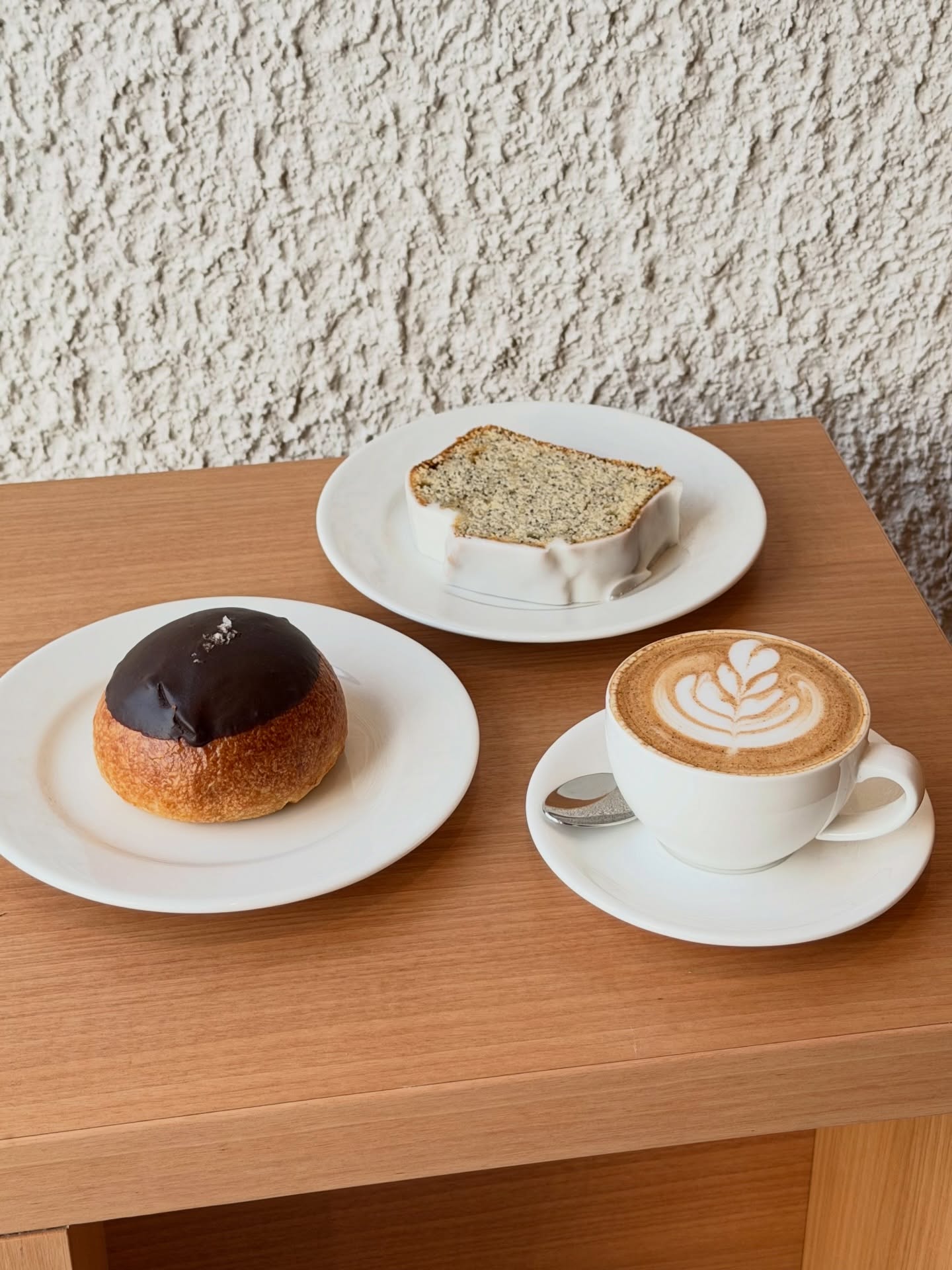
A micro-bakery opened by the team behind Via Stampa. Every day they bake classic options like seeded, rye, brioche, as well as the specialty breads that rotate by the day: corn flour on Monday, sesame durum on Tuesday, an oat porridge baguette on Wednesday, green olive bread on Friday, and buckwheat with walnuts on Sunday. In the morning, you can have a simple slice of bread with butter and anchovies, or laminated pastries like a savory Danish with black cabbage, pumpkin, and parmesan. The space transitions naturally throughout the day. For lunch there're daily sandwiches, roasted vegetables with dipping juices, and a traditional pappa al pomodoro to champion their bread. In the evening, the menu strips down to a simple aperitivo: boards of their bread served with olive oil, butter, cheese, salami, or anchovies, alongside giardiniera and olives
SIGNOR LIEVITO
A tiny, highly aesthetic bakery. I love seeing rye breads here (like Borodinsky), but the selection is wide, ranging from slow-fermentation sourdoughs to Nordic-inspired laminated pastries like cardamom and cinnamon buns, alongside others with seasonal fillings. They also serve La Cabra filter coffee.
Tone - Bread Lab
Tone takes baking into a more creative space, making traditional flatbreads alongside sourdough loaves, Icelandic rye, kimchi toast, and cardamom buns. The centerpiece is their Georgian clay oven where flatbreads and khachapuri bake slapped directly against the hot walls. Come here for a hearty, savory breakfast, specifically their version of Georgian khachapuri. But beyond the format, what makes it work are the people behind the project who are incredibly lovely and friendly.
Terroir
This isn't a café, but a brilliantly curated grocery store in the Risorgimento area that doubles as a quick breakfast spot. You can sit outside or inside the shop with a perfectly whisked cup of matcha or filter coffee. The counter has a nice layout with options of small, artisanal bakes they have brought in that day, like a canelé, a slice of cake, or something savory like an arancino or fresh focaccia sourced from micro-producers. I absolutely love this hidden corner.
Lunch
HORTO
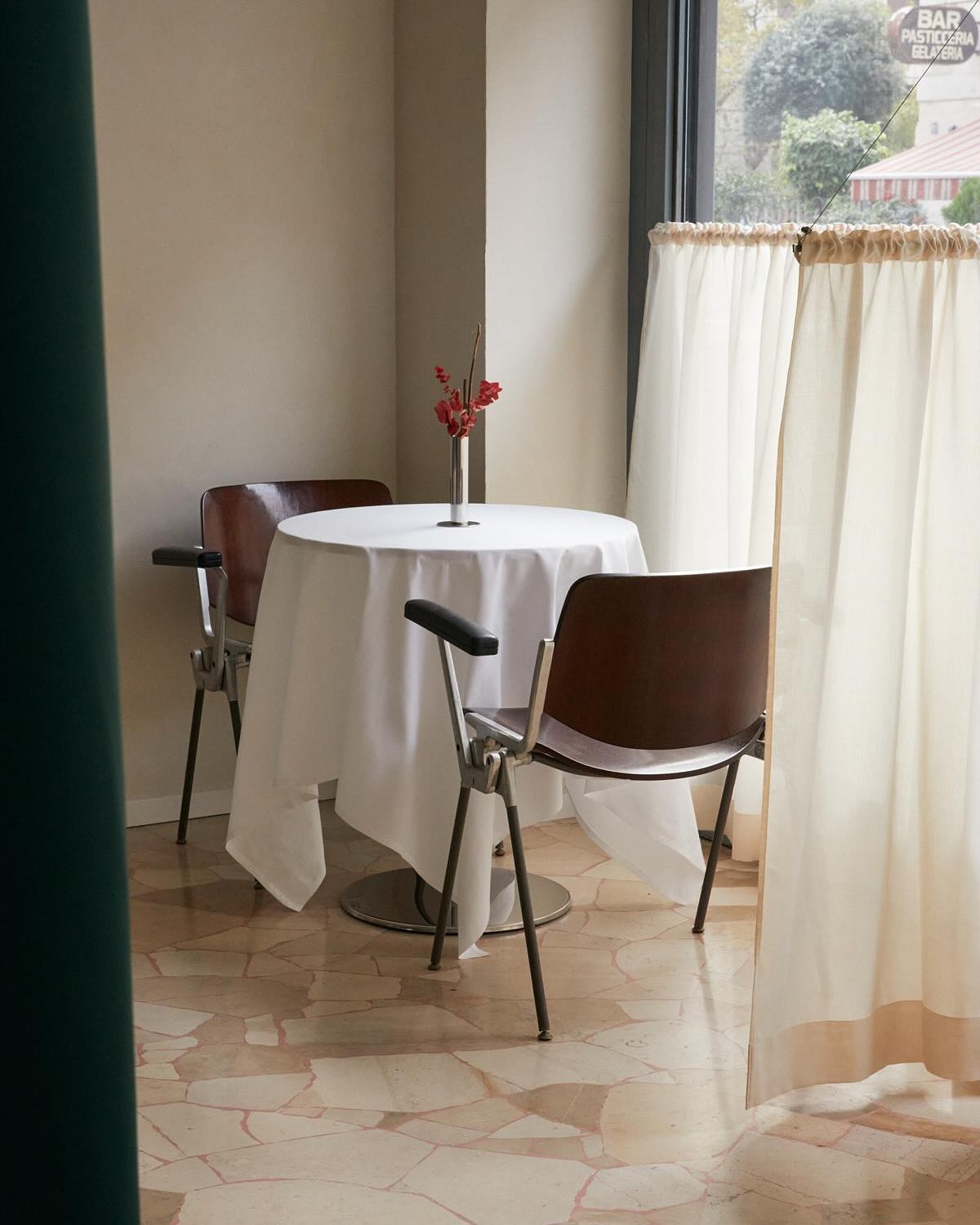
The spectacular rooftop location near the Duomo might seem misleading, as too touristy but it delivers. They offer a solid menu with multiple options for breakfast, lunch, dinner, or an aperitivo. The entire concept is focused on hyper-local ingredients sourced within a short radius of Milan. It's also worth noting that they recently changed the chef.
Sandì
One is of the most talked-about new openings. It is hidden away, open almost exclusively for lunch, and features pleasant decor. The founders come from Ratanà and Erba Brusca, offering excellent, technique-driven contemporary bistro food.
Rovello 18
Recently relocated to Via Ariberto, Rovello 18 anchors the traditional side of Milan by bridging the cuisines of Lombardy and Piedmont. The new space centers around a 22-seat counter facing into the open kitchen. Chef Michele De Liguoro has run the kitchen since 2002, building a menu on classics: vitello tonnato, agnolotti del plin, a proper Milanese cotoletta, and a signature crispy risotto al salto topped with Taleggio. Beyond the staples, the kitchen leans into regional sourcing. You'll find fried artichokes with goat cheese and egg yolk, raw Bra sausage with warm focaccia, and a classic Russian salad with raw Mazara red prawns. The grill drives the main courses, turning out thick Galician ribeyes and octopus over Jerusalem artichoke cream. Desserts are similarly grounded, finishing with zabaione and Prosto biscuits or the signature flourless Torta Cinzia. The real draw is the 800-bottle cellar, which places heavy-hitting Burgundy allocations right alongside cult, minimal-intervention producers
Dinner
Langosteria
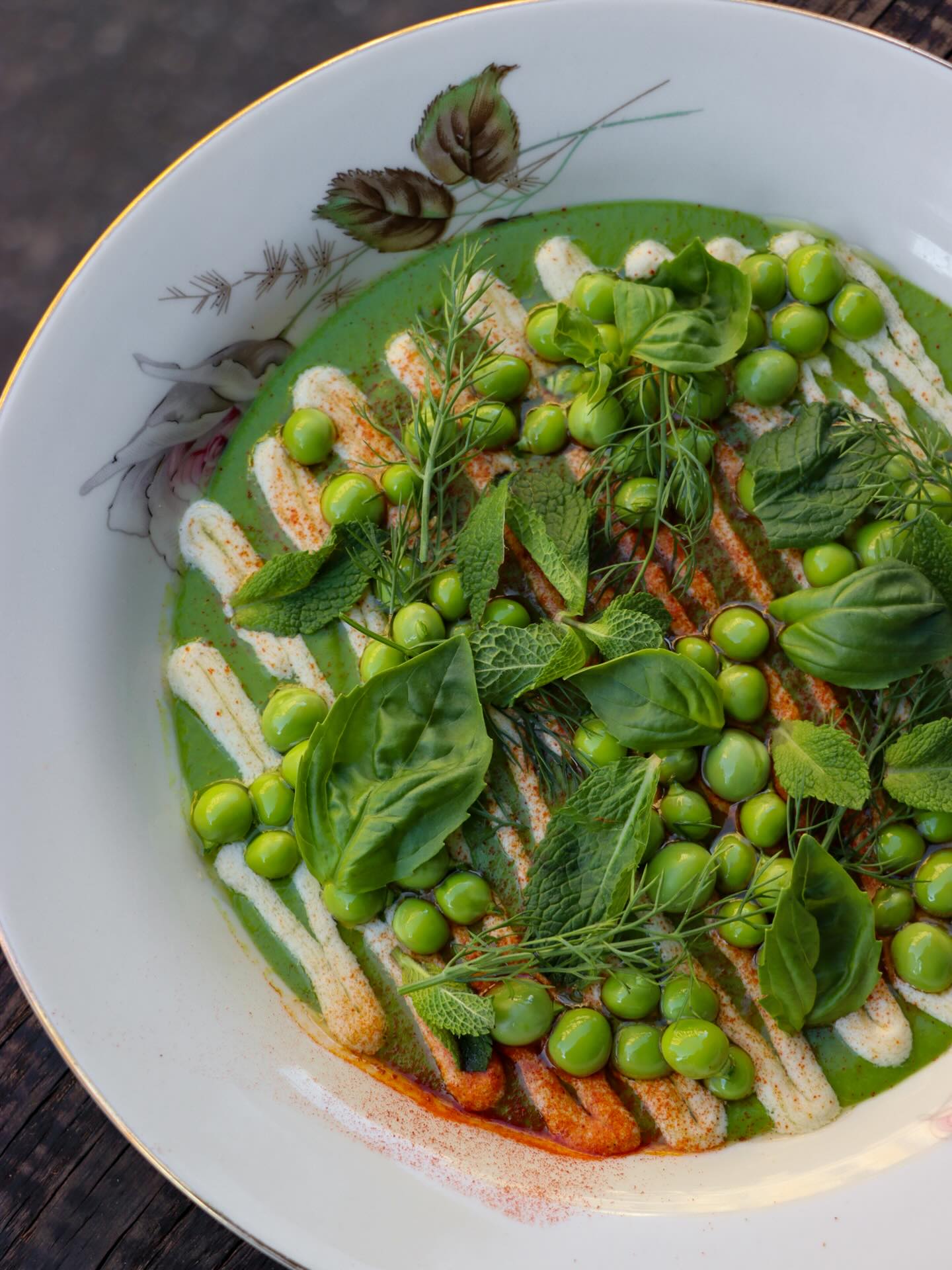
For a high-end Milanese evening. It has grown into a big luxury brand with openings in Paris and St. Moritz and a newly added location in Milan, but the original formula remains bulletproof. It perfectly understands its audience. The restaurant (not the bistrot) has a great wine list, and the seasonal off-menu specials are always worth ordering. The service is highly attentive, too.
Trippa
The restaurant that started the "contemporary trattoria" revolution in Milan. Every visit offers something different, yet it remains consistently great. It features intelligent work with ingredients, exploring Italian tradition, often reviving old recipes. In recent years, they've also done a beautiful job expanding their wine list.
Trattoria Masuelli San Marco
Since 1921 under the third generation of the family, this is old-school Milanese and Piedmontese authenticity at its best. The dining rooms have kept their decades of history, respectfully modernized while retaining the original chandeliers and wooden elements. It's the ultimate antidote to fast-fashion dining trends.You'd come here for traditional saffron risotto, agnolotti del plin with roast sauce, mondeghili, cotoletta cooked in clarified butter, and their vitello tonnato. Add a vast, refined wine list and a finish of Lodigiano mascarpone cream. The server, who is 70 and has watched Milan change over the decades, is someone you trust uncompromisingly. Completely worth it.
Bentoteca
I can never leave Bentoteca off my list of favorites. Chef Tokuyoshi has already left a mark on Milan's dining scene, expanding with more formats and ideas. I'd suggest getting a seat at the counter to watch the kitchen in action. The execution is flawless, and the fun and creativity are always present in the dishes. The space has energy and a great sommelier who listens and gets you what you're looking for. It's a must.
Silvano Vini e Cibi
Located in the NoLo district, this is a great neighborhood spot. A project launched by Cesare Battisti of Ratanà, with chef Vladimiro Poma running the kitchen. The space revolves around the counter where you end up sitting shoulder-to-shoulder with strangers. It’s genuine and convivial. The most interesting part is that they don't use stoves; everything Poma makes is either served raw or baked in the massive old bakery oven left by the previous owners. It’s simple, ingredient-driven food with a frequently rotating menu, you might find things like roasted pumpkin with hazelnuts and pecorino, endive with orange and walnuts, fried polenta with whipped salt cod and 'nduja, or a pork tongue terrine with lardo and mustard, that easily turn a quick aperitivo into a light dinner.
Kiwon
A recent discovery. An intimate wine bar paired with a small Korean kitchen in the Dateo area. The project features chef Cielo, whose family runs one of Milan’s oldest Korean spots. You can grab a seat at the counter for a casual night, or sit in the dining room for dinner. They pair low-intervention European artisan wines with a tight eight-dish menu. Alongside classics like kimchi pancakes and tteokbokki, they serve butter-sautéed abalone, which is not a common find for a bistro in Milan. With its clean, modern decor, it's a lovely place to hop into for a casual glass and a few smart plates.
Drinks
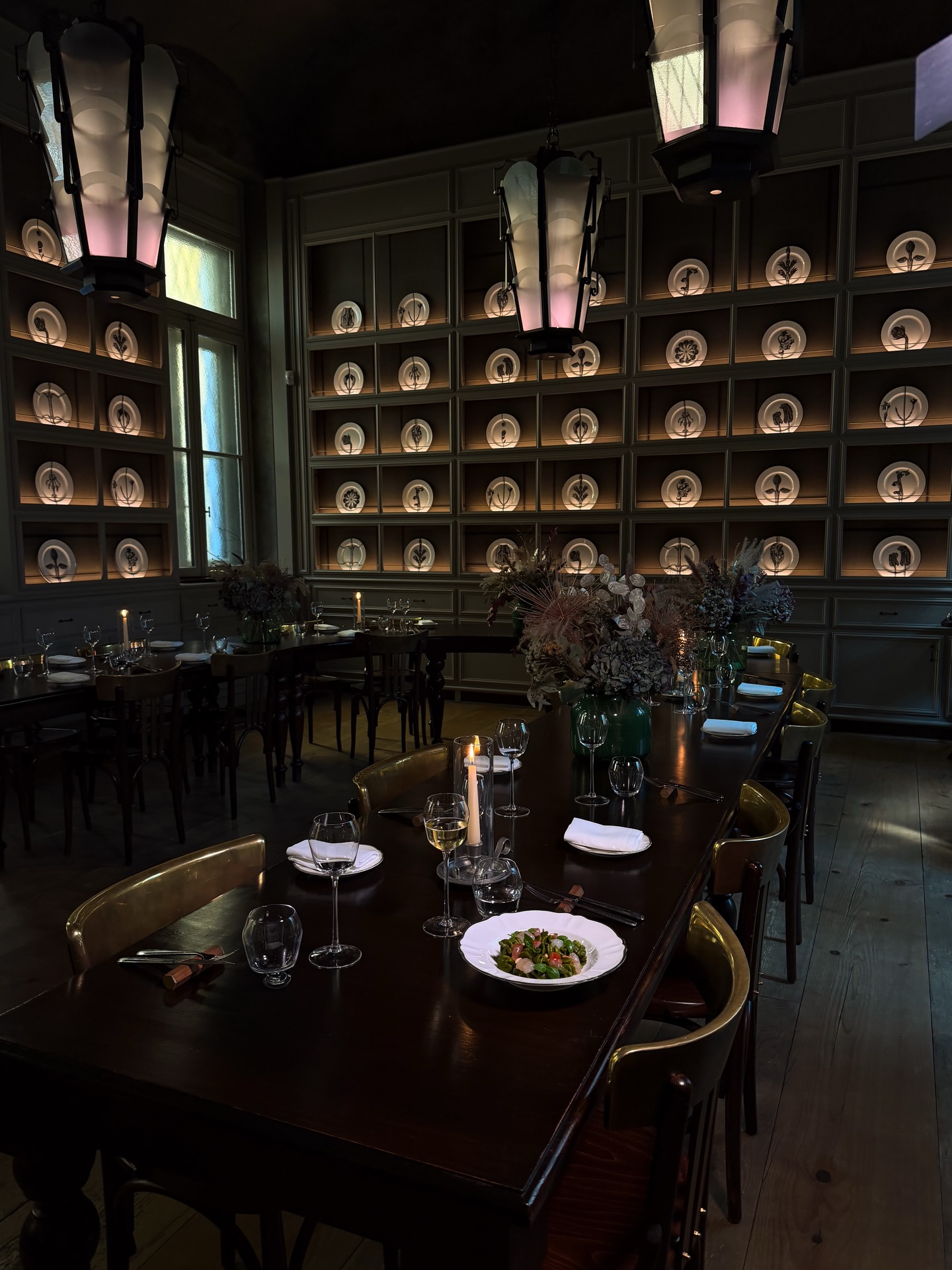
Lubna
A cocktail space with music inside a massive post-industrial gallery. It feels grounding and stylish, featuring a massive semicircular bar that connects everything. It’s the perfect example of how Milan is pushing the aesthetic boundaries of where and how you drink.
Deposito Enoteca
Located in Porta Venezia, this is a natural wine bar built inside an old warehouse space with exposed bricks, dim lighting, and industrial shelving. They have over 700 labels to offer. It strips away the pretension and feels like a genuine neighborhood hub. The kitchen is solid, too, which is rare for Milanese enotecas. Instead of just cold cuts, they serve a menu built around fire, offal, and raw preparations. You'll find things like roasted bone marrow, seared horse meat with fennel, grilled Savoy cabbage with bagna cauda, ox tartare, to name a few.
Sogni
The space is a converted 19th-century kindergarten. It currently has huge appeal with the creative and fashion crowd. The design is striking and mysterious with high ceilings, dark and moody, with custom furniture and a central bar, yet the overall feeling remains intimate. Skip the dinner and come strictly for the drinks as the cocktails are worth trying.