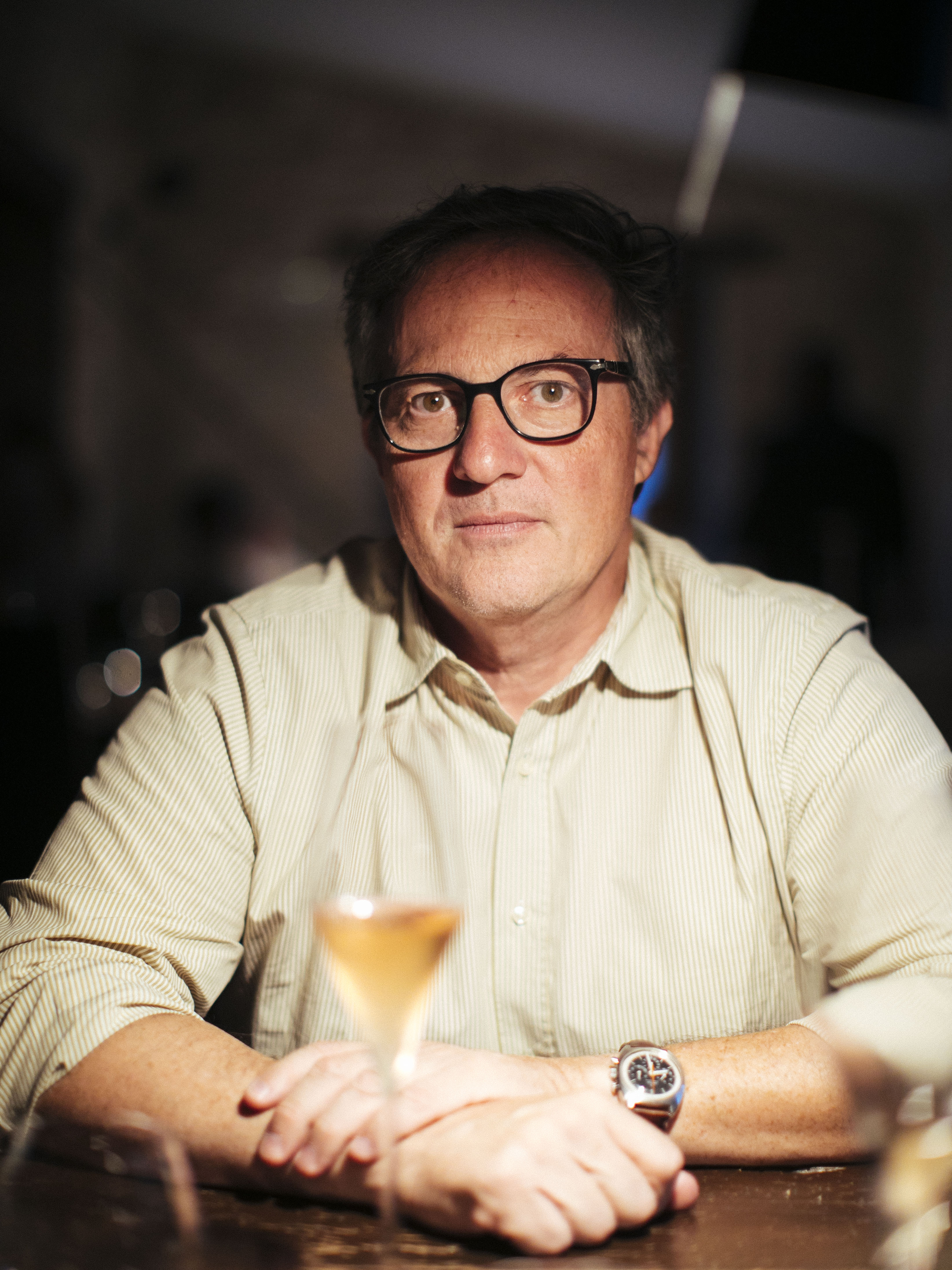


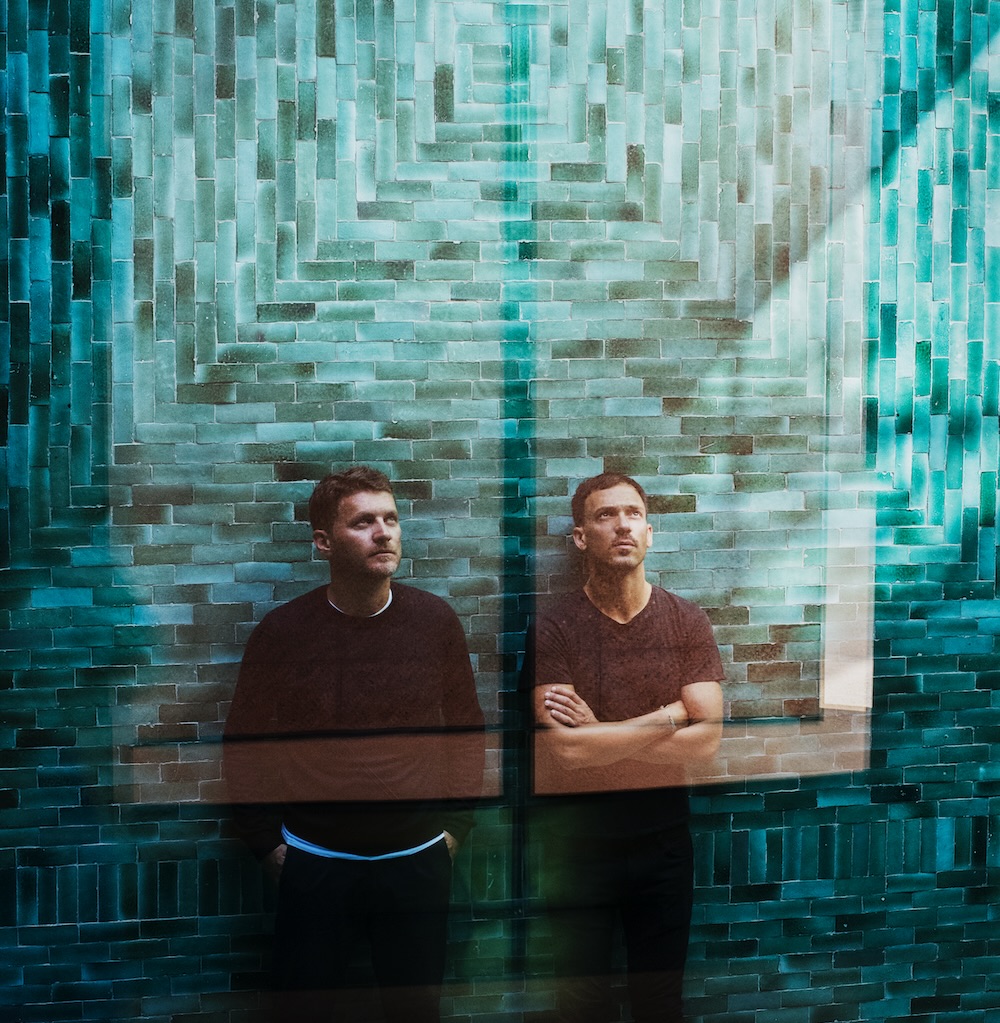
Karl Fournier and Olivier Marty are the founders of Studio KO, the architecture and interior design studio they established in 2000 after meeting at the École des Beaux-Arts in Paris. Working between France and Morocco, their studio has become known for spaces that balance restraint, materiality and a strong sense of place, from private homes and hotels to cultural projects and restaurants. Among their best-known works are the Musée Yves Saint Laurent Marrakech, Chiltern Firehouse in London and Sahbi Sahbi in Marrakech. Their approach is rooted in atmosphere rather than spectacle, with an eye for imperfection and the human life that ultimately gives a place its meaning.
Could you tell our community a little about yourselves and your work?
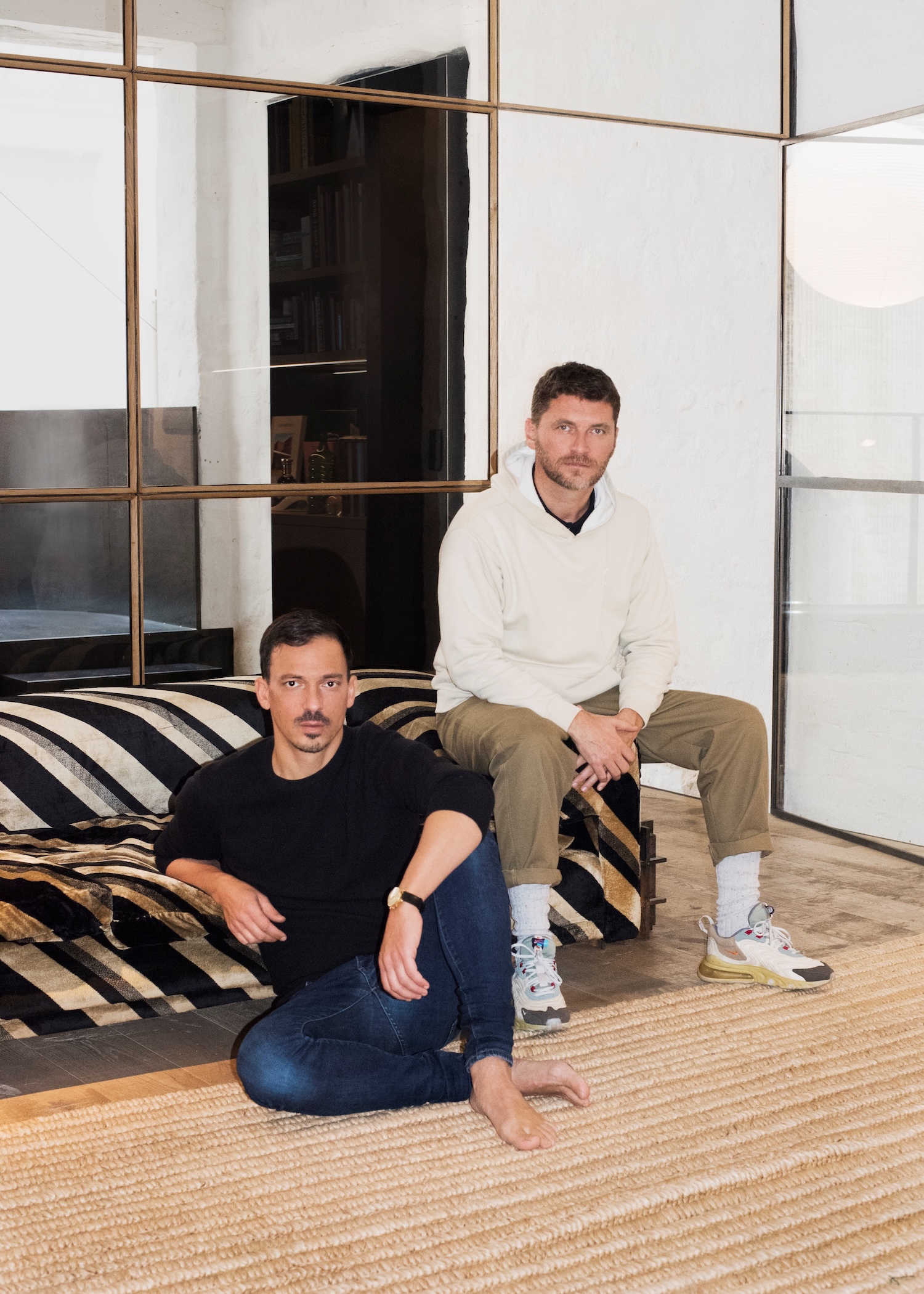
We are both DPLG architects. We met on the benches of the École des Beaux-Arts and have never really left each other’s side since. We founded our architecture studio straight out of school in 2000. We started very small – just the two of us – and today our team numbers around 80 people spread between France and Morocco.
What are you currently working on – and what excites you most right now?
We are currently working on several hotels, a contemporary art centre, a winery cellar – our first – restaurants, and of course houses all over the world, which is actually how we first became known.
We’re fortunate enough to be able to choose our projects, as we receive far more direct commissions than we can realistically take on. That freedom is a privilege: it allows us to work enthusiastically on everything we do.
Of course, there have been occasions where we took on projects reluctantly, driven by financial pressure or necessity – arguably the worst reasons to do so – and, in most cases, we ended up regretting those decisions.
You designed Sahbi Sahbi in Marrakech, which is recommended in our app. What were the main lessons from that project?
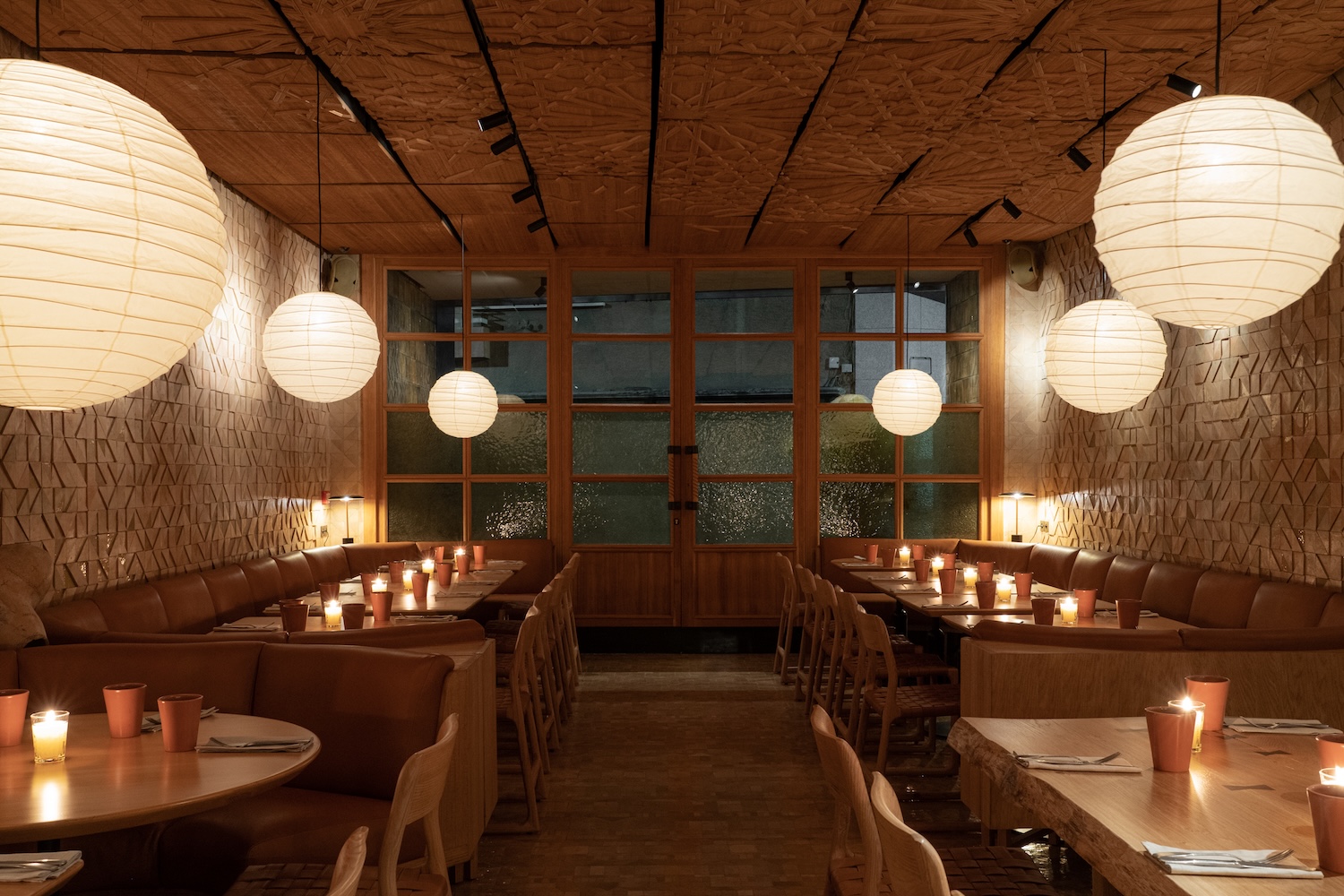
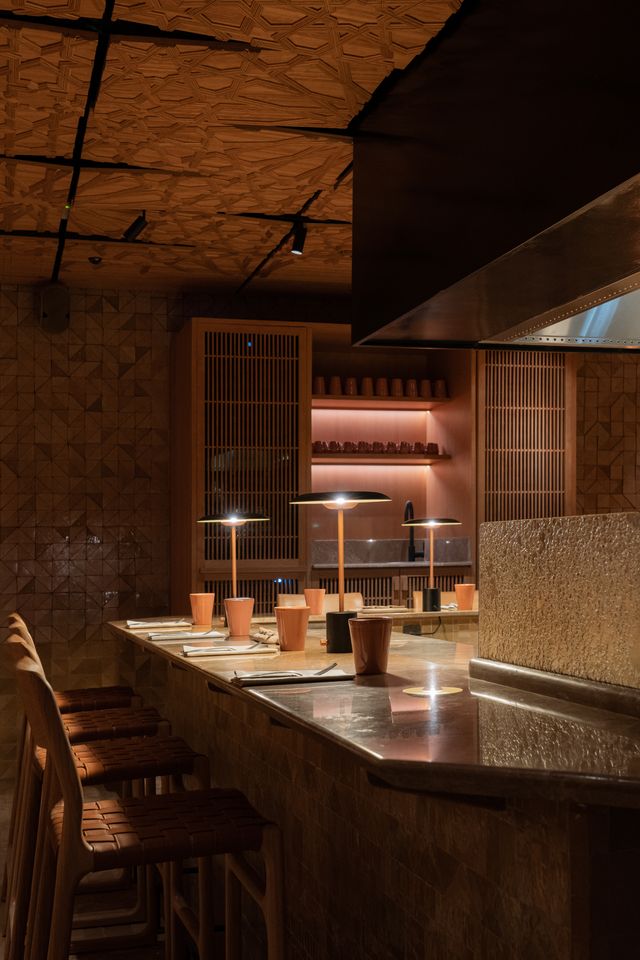
It was quite extraordinary to find ourselves sitting on both sides of the table at once – as designers and as clients – because for the first time we were partners in a project we had conceived ourselves.
It changes your entire perspective. Your relationship to time shifts, different priorities come into focus, and you begin to engage with another level of complexity – particularly what happens on the plate, whereas architects usually stop at the container itself.
What is the hardest part to get right?
Symbiosis. Finding the right tone. The balance between all the different elements.
We were lucky enough to work with restaurateurs who helped us understand that a restaurant is a kind of miniature social theatre, where several performances unfold simultaneously in a sort of half-improvised choreography.
As designers, we are only responsible for certain parts of the score: the lighting, the sound, the scenery. Then comes the menu, the relevance of the dishes, their intelligence and appeal – all orchestrated by the men and women in the kitchen and dining room, over whom almost nobody truly has any control.
The brilliant series The Bear captures this perfectly.
When you walk into a restaurant, what do you notice first?
The atmosphere. Décor is part of it, of course, but only one part. The human qualities of the people welcoming you – something you perceive the moment you walk through the door – matter far more.
We would always prefer spending time in a small, unpretentious place run by generous and passionate people rather than in a perfectly designed, trendy restaurant that ultimately feels empty and soulless.
What irritates you in restaurant spaces?
We are both allergic to fake friendliness: rehearsed lines, obligatory smiles, all the scripted interactions that feel recited.
You mostly encounter this in chain restaurants – places replicating the same brand, logo and menu everywhere in the world. Applying the exact same formula regardless of context is, at best, laziness and, at worst, cynicism. But then again, those restaurants usually belong to businessmen.
Many places today aim to be “Instagrammable” – what do you think about that?
It’s rather pathetic, but it’s the spirit of the times. And yet you see wonderful people embracing it, sometimes because they feel they have no choice, sometimes because they belong to a generation that has known nothing else.
Whenever clients approach us and immediately bring up that parameter, we instinctively start looking for the nearest exit.
In interviews, you often speak about the notion of “imperfection” – does that also apply to restaurant design?
Absolutely. Perfection is boring and pretentious. Imperfection feels far more aligned with life and with who we are as human beings – at least for now.
That doesn’t exclude the desire to surpass oneself, which is also deeply human. But perfection itself is an absurd idea, whereas striving to go beyond oneself is not.
What are three restaurants in your city that you return to again and again – and why?
Brigade du Tigre in the 10th arrondissement, because it’s delicious, inventive without being pretentious, fairly priced, and just steps away from the studio. Also because the people running it are genuinely wonderful.
We keep going back to Le Cornichon because we can play the lottery there, because they make the best fries in Paris, because we share a roast chicken, because the shrimp cocktail is served in an actual cocktail glass – silly, but it makes us laugh every time – and because if you arrive early enough, you can sneak in a game of pinball before the place fills up.
And we could eat at RED SAUCE nonstop, even if that completely contradicts everything we said about trendy places. But it’s good, the team is kind, the spicy pasta is genuinely spicy, the prices are fair – in short, they’re not taking people for fools.

Where would you take a friend visiting your city?
If they’re foreigners, straight to Georges on Rue du Mail – because beyond the French culinary experience, there’s also the full Parisian experience in the service and décor, and because it’s run by real people.
If they’re visiting from elsewhere in France, we’d take them to the new BUS Palladium for Valentin Raffali’s absolutely insane cuisine, but also to show them the concert venue downstairs and perhaps visit a couple of the rooms. Though ideally, they should spend the night there.
And if they came from Mars, we’d take them to Kodawari, so they wouldn’t feel too disoriented – because the ramen is unforgettable, and because you share your table with strangers, which can occasionally be useful when dining with Martians.
Have any new restaurants in your city inspired you recently?
Yes – Acid Lactique in the 11th arrondissement, for a pizza so good it makes you want to slit your veins, and because there is essentially no décor at all, which is actually incredibly difficult to pull off.
There’s also a place we recently discovered – not in our city, but we loved it so much we have to mention it anyway: Chez Marie in Corsica. Divine Neapolitan cooking. A complete experience: dinner, overnight stay and breakfast, all extraordinary. Right on the roadside circling the island, with truck drivers, regulars, couples, families celebrating something special – and us, right in the middle of it all. Somehow, the magic works perfectly.
Finally, Acarne 17 – 75003 – it’s pretty new, and it’s awesome.
If you had to choose three favourite food destinations, what would they be – and which places would you recommend in each?
Venice first – but don’t count on us for the address. We already have to prostitute ourselves just to get a table there, so no way.
We can, however, give you a clue. It took us twenty years to find this place, so we’re not handing it over that easily. The clue is: Christopher Columbus.
Then Milan, even though we hate the city. Unfortunately, we occasionally have to go there, and this restaurant always lifts our spirits: La Latteria. Though good luck getting a table.
In Naples, at Dora – for the seafood pasta, the blue interiors, the clientele you see nowhere else, and all the memories attached to it.
And finally Athens: Wine is Fine. Because they graciously kept our table despite our delay, because we practically ordered the whole menu and not a single dish disappointed us, because the crowd is incredibly sexy – for all those reasons, it’s unmissable.
What is the most memorable restaurant experience you’ve ever had – and what made it so special?
It’s difficult to choose just one. Many sacrifices had to be made. But in the end, perhaps it is Yakumo Saryo in Tokyo.
For the doorman waiting in the street with a lantern beneath an umbrella the size of a parasol, escorting you inside. But above all for the culinary experience itself – one of the most extraordinary of our lives.
For the chef, who somehow seems to read our minds. For the décor, which is a lesson in restraint. For the tableware that makes you want to slip every single piece into your suitcase. For now, it remains unsurpassed.
Who would you like to see featured in our Member Highlight series?
Perhaps François Régis Gaudry.