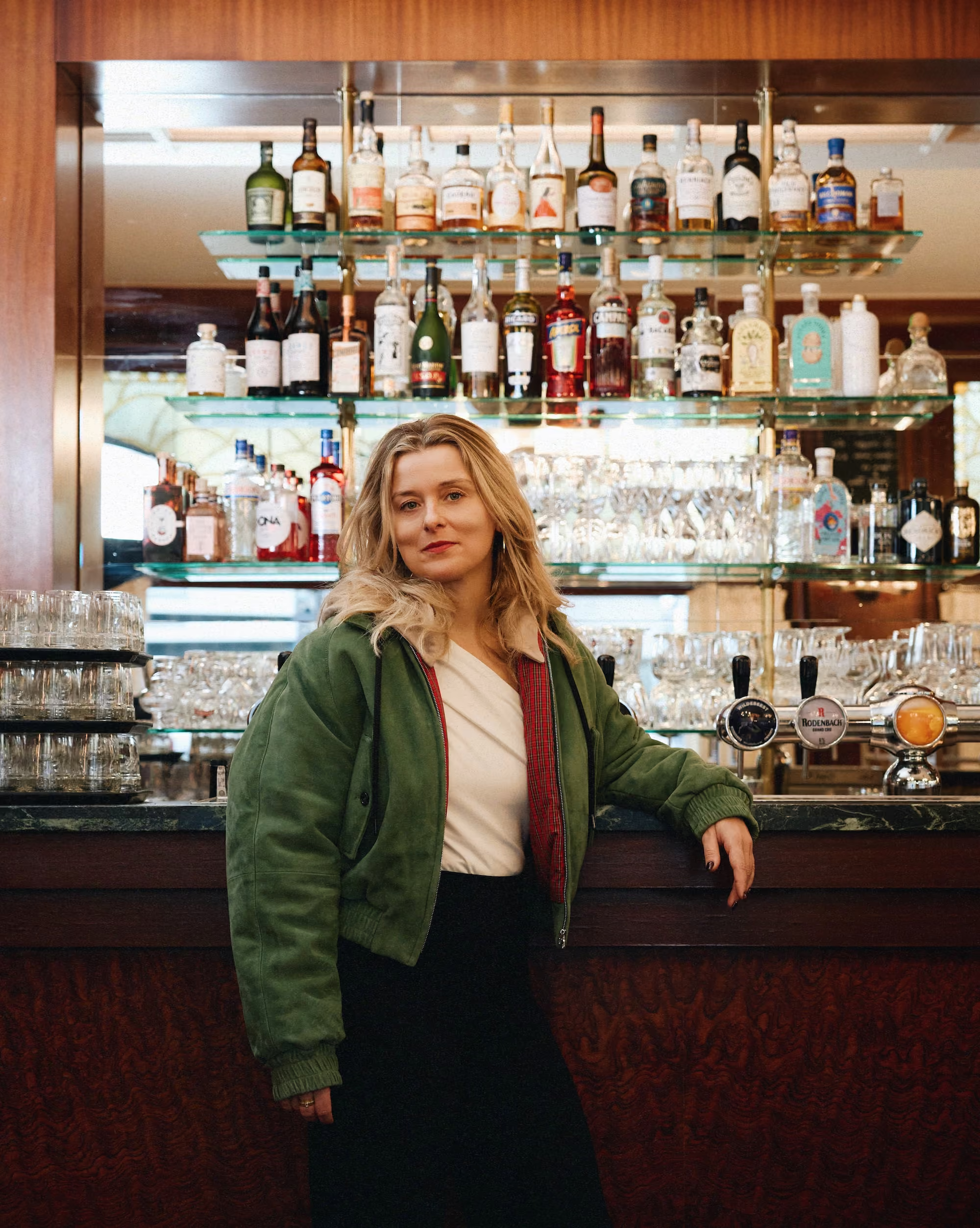


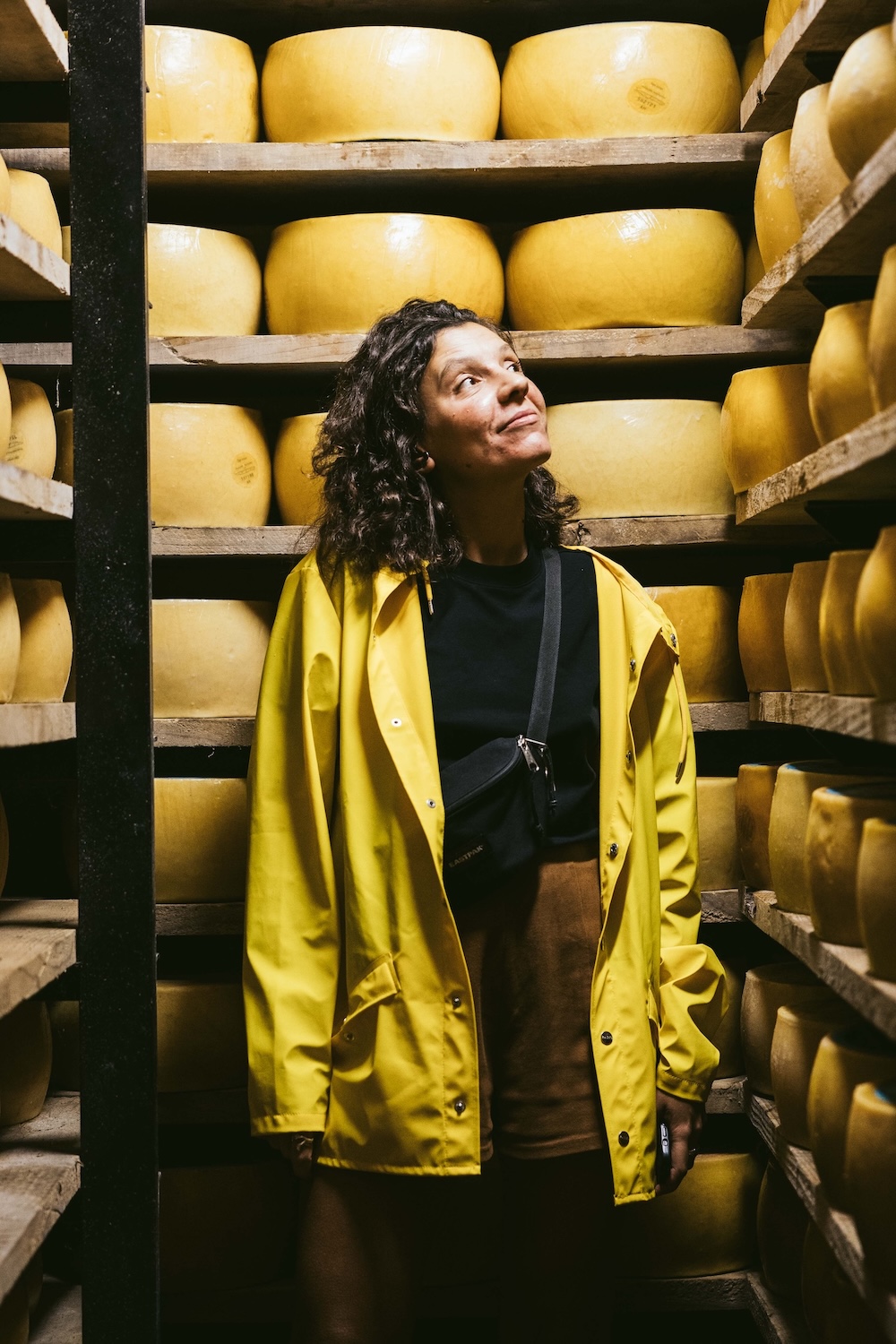
Inês Matos Andrade is a food writer, communicator and consultant whose work centres on Portugal's restaurant scene. She studied journalism and her career turned to travel and food writing. She worked at Time Out before joining O Apartamento ten years ago. She also runs an Instagram account, where she shares restaurant visits, dining guides and stories from the table. She visits restaurants constantly and writes whenever she can, and she keeps close track of how Portugal's food scene is changing.
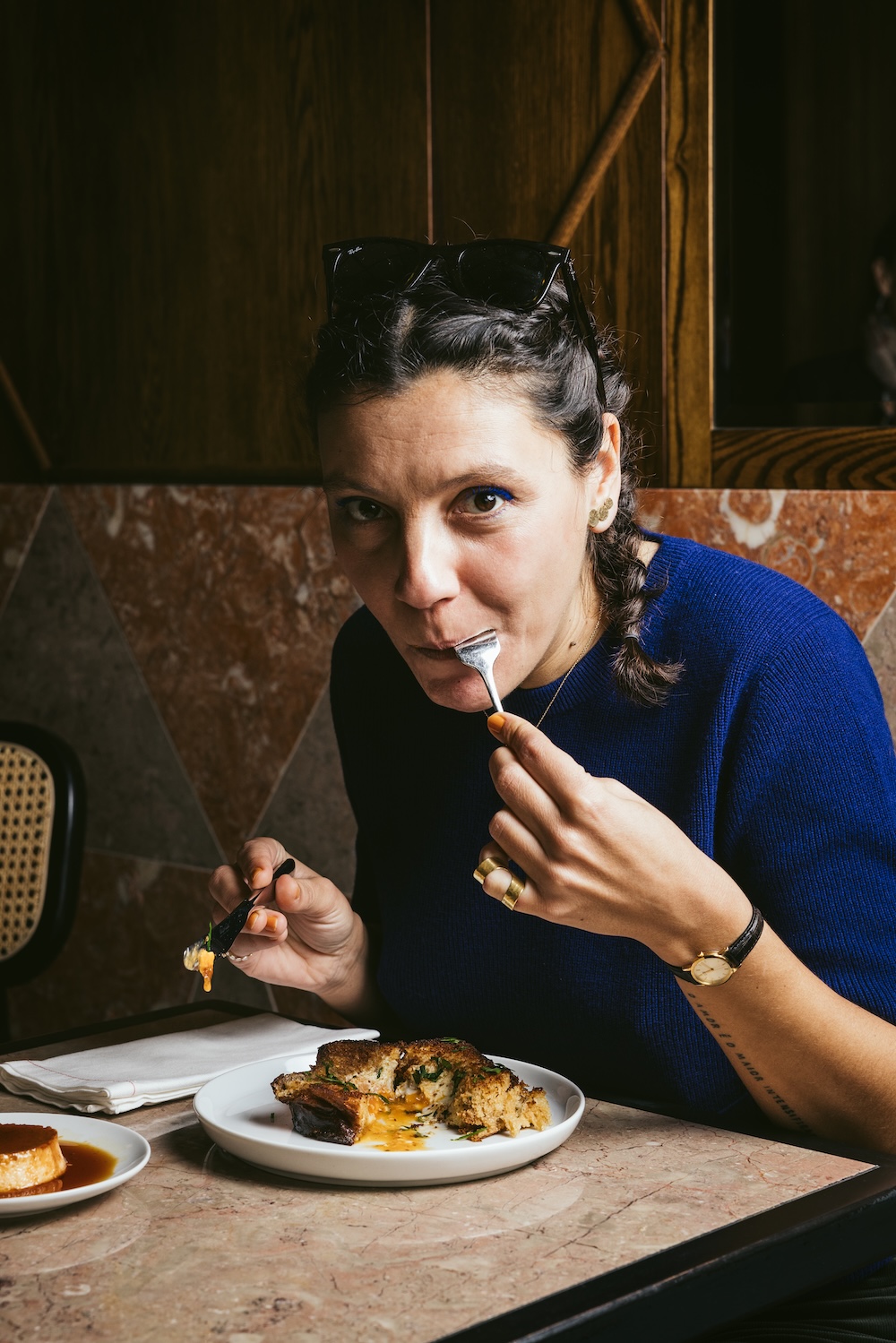
Could you please tell our community a bit about yourself and what you do?
Ever since I was little, I have filled travel diaries with notes on everything I ate. I studied journalism with the rather romantic ambition of becoming a war correspondent, but life steered me towards travel and food instead.
Ten years ago, I left Time Out to join an agency, O Apartamento, where I now lead the gastronomy department, working across communications and consultancy. Alongside that, I treat my Instagram as a hobby: visiting restaurants, creating guides and telling stories.
What are you currently working on or excited about?
Right now, my main priority is making sure I do not traumatise my 18-month-old son.
Professionally, I remain deeply invested in keeping up with Portugal’s food scene. I write whenever I can, visit restaurants constantly, and like to imagine that I have a discreet – if meaningful – influence on the hospitality industry.
How would you describe the restaurant scene in Lisbon at the moment?
Saturated. From my perspective as a journalist and food obsessive, Lisbon is at a turning point. I think the city will eventually go through a process of natural selection.
I don't necessarily believe in gastronomic meritocracy, but I do believe many places without a distinct identity or a real sense of purpose will close. At the same time, as in every period of change, exciting new projects are emerging.
The proliferation of commercially appealing formats – today, that often means speciality coffee, brunch and highly Instagrammable menus – also pushes creative minds to innovate and build more distinctive concepts. I want to be in the front row for that revolution.
Which five restaurants in Lisbon do you particularly enjoy, and why?
Turvo: Vasco Lello’s restaurant sits in the heart of a charismatic residential neighbourhood, with no tourists passing the door. It was once an old-school tasca, which he has quietly transformed into a simple bistro, free from clichés. The food is straightforward, slightly auteur-driven, clean and full of flavour.
Gabriel Faz Pizza: A counter with two stools, an oven and a Brazilian making pizzas. Born in Belgium and with Brazilian roots, Gabriel ran a food truck in Rio de Janeiro before spending three years travelling around Europe in a van with his wife, eventually settling in Portugal. A self-taught pizza maker, he decided to open a tiny hole-in-the-wall spot with an oven, two stools and just five pizzas on the menu, all made with dough fermented for 48 to 96 hours.
Clara Café: A daytime space serving food with no ambition to be disruptive, located within one of the city’s most beautiful cultural projects: Brotéria, Portugal’s oldest still-active publication, founded by the Jesuits. The café has a charming courtyard and focuses on coffee, non-alcoholic drinks and dishes designed for the slower rhythm of the day.
A Viagem das Horas: My favourite wine bar, in a multicultural neighbourhood. It has a strong focus on music and a small-plates menu shaped by the recipes of the many pop-ups that have passed through its doors.
Flamma: In the heart of Campo de Ourique, a characteristically Lisbon residential neighbourhood that has also become popular with expats, chef Alessandra Borsato has opened a tiny restaurant centred on her own take on skewers. It has limited resources, but enormous talent.

Any hidden gems or new openings you would like to highlight?
Arandu: Far from any tourist centre, in an area with little obvious charm, this tiny counter of just a handful of seats serves Brazilian boteco-style food in only a few square metres. Expect sausages made from scratch, traditional Brazilian soft drinks and special lunch dishes.
Sabores de Sichuan: Another tiny counter, this time in a lively, deeply local neighbourhood away from the centre. Locals know it well and queue for its concise menu of soups and noodle dishes.
Which food cities around the world inspire you the most, and where do you like to eat when you’re there?
In Madrid, I return to Bodega La Ardosa regularly. Founded in 1892, this small tapas bar is usually crowded, with customers gathered around the counter and tall tables. The atmosphere is lively, the prices modest, and vermouth is the drink of choice. My order centres on the classics: tortilla, croquetas and ensaladilla rusa.
In San Sebastián, Ganbara is a fixture on my itinerary. A tour of the city’s pintxo bars is the best way to explore its food, but I always make this stop. The wild mushrooms with egg yolks are a particular draw, followed by torrija for dessert.
In Paris, Parcelles is a favourite for its traditional bistro cooking, well-judged lunch menu and extensive wine list. French classics anchor the menu, from terrine and foie gras to sweetbreads and bisque.
Is there a must-try dish in Lisbon – if so, where would you have it?
For me, it has to be bitoque. It may seem like a simple dish, and you may find versions of it in other Portuguese cities, but Lisbon’s good tascas understand the rules.
Bitoque is affordable, simple, democratic and deeply comforting: a steak with chips and a fried egg – although I also like it with rice. It must come with plenty of sauce, built on what I think of as three essential fats (lard, butter and olive oil), alongside white wine, garlic, bay leaf and, sometimes, mustard. The cut should be cheap: topside, pounded tender, or perhaps, at most, sirloin.
My favourite is at Sardinha, near Santa Apolónia station.
In Lisbon, any up-and-coming chef you think is doing great things?
It is very difficult to choose just one, but I really like Liz Almeida, chef at Pils, and Pedro Oliveira, the chef at Prado Wine Bar—not Prado Restaurant. He is still relatively under the radar, perhaps because António Galapito’s presence at the original restaurant naturally draws most of the attention, but he is doing very exciting work.
Is there a food expert or curator whose restaurant recommendations you would particularly want to hear?
Absolutely: I would love to know where Víctor Arguinzoniz, the chef behind Asador Etxebarri, chooses to eat.