


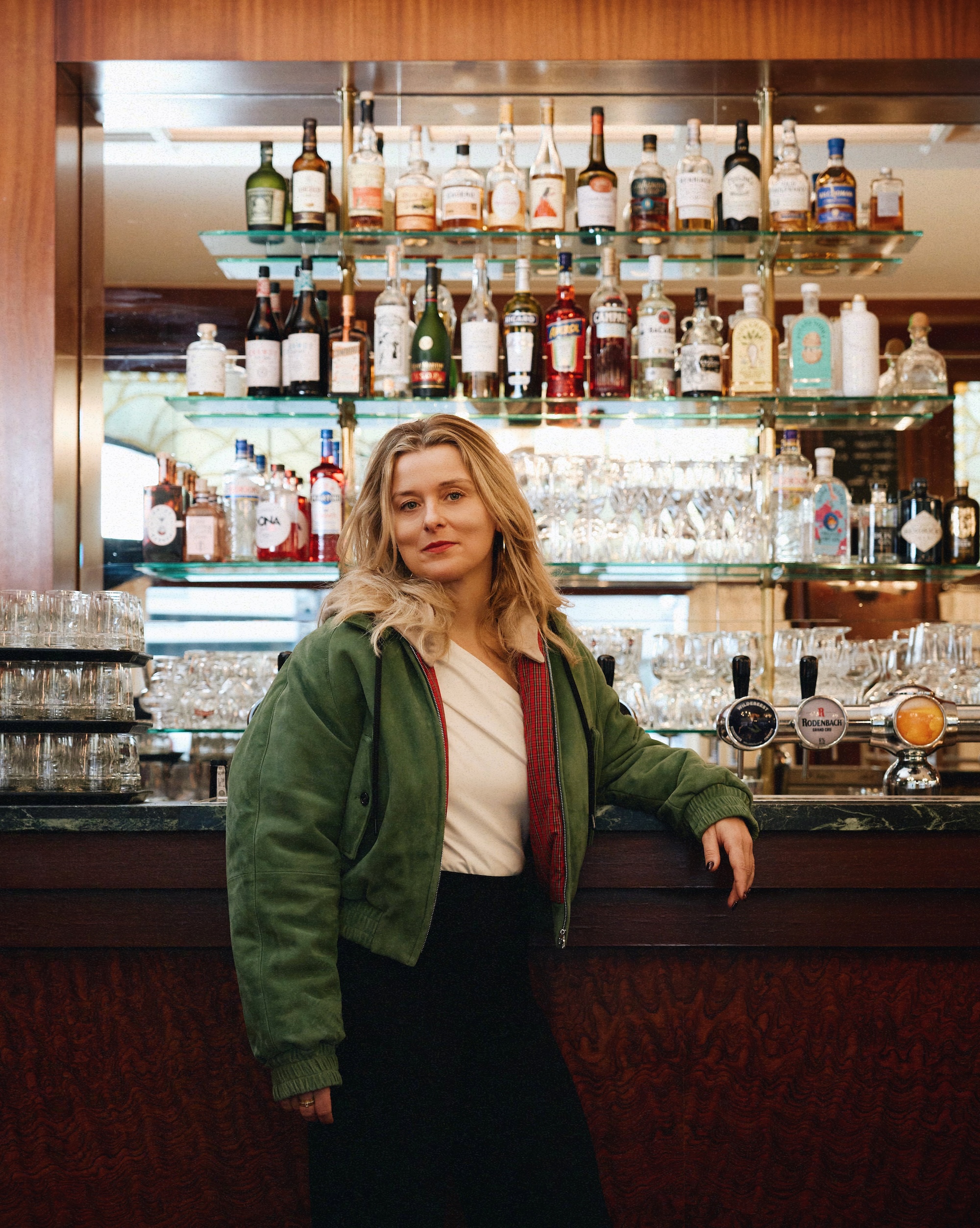
Femke Vandevelde is a Belgium-based restaurant critic, food writer and author. She also serves as Academy Chair for The World’s 50 Best Restaurants.
Born and raised in Belgium, Vandevelde studied Comparative Literature at Ghent University before completing a second master’s degree in Publishing at the University of Amsterdam. While studying, she co-owned a catering company, an early sign that food would become just as important to her career as words.
Over the past two decades, Vandevelde has written more than fifteen chefs’ cookbooks and food guides in Dutch and English. She is a restaurant critic and food writer for De Morgen, with work also published in titles including National Geographic Traveller and Monocle. Her expertise has taken her beyond print too, from judging MasterChef, Kitchen Impossible and My Restaurant Rules to curating food programmes for festivals. A restaurant obsessive with an equal appreciation for a great night out, she brings a wide-ranging perspective on how, where and why we eat.
Could you tell us a little about yourself and what you do?
I’m a 20-something who takes her work very seriously. Myself, considerably less so.
Let’s start with the biggest disappointment: I didn’t undergo classical training as a chef. But I did grow up with my grandmother, who worked as a supervisor for the household staff of an aristocratic family. She was responsible for quality control, whether it was the baker delivering his seasonal breads or hunters bringing in game – which she herself would skin.
At the time, my only way of travelling was through the library, so I became an avid reader who desperately wanted to discover the world. Blogging about food became a natural extension of that curiosity. I spent my teenage years ferociously reviewing every cookbook I could get my hands on. Not long after, a publisher offered me a student job editing a culinary manuscript.
After studying literature and completing a second master’s degree in publishing, specialising in culinary projects, I somehow ended up in… a juice bar. After those glamorous working hours, I spent my evenings writing as an unpaid intern, covering food features for one of Belgium’s national newspapers, De Morgen. Until they offered me the job of restaurant critic. In 2021, I was appointed Academy Chair for The World’s 50 Best Restaurants.
Luckily, there’s more to me than my latest travels or current obsessions. Whenever not travelling for food, I divide my time between a bustling city life in Ghent and the wild seashores of Ostend, in the best company of Jens, the love of my life, our daughter Zadig and our quirky dachshund, Nabokov.
What are you currently working on, or what excites you most at the moment?
- My newest piercing.
- I’m working on a major project about our culinary heritage, celebrating 200 years of Belgian cuisine by 2030.
- I’m writing the script for a trends summit organised by the world’s leading manufacturer of high-quality chocolate, Callebaut, featuring keynote speakers such as Rasmus Munk.
- I’m preparing a series of masterclasses for the next generation of culinary talents. I won’t teach them how to cook, but rather how to look at their own practice, identify what defines them and express that essence more clearly.
- Daydreaming about our recent boat trip to Porquerolles and already imagining myself in the next sunray, snorkelling at my favourite chiringuito in Formentera.
How would you describe the restaurant scene in Ghent at the moment?
Ghent’s restaurant scene feels more vibrant than ever. As The New York Times put it this summer, travellers should visit Ghent instead of overcrowded Venice or Amsterdam. That growing international attention is reflected in its food scene too, which is increasingly diverse, ambitious and confident.
What makes Ghent particularly fascinating is the contrast between a medieval city with more than 1,400 years of history and a vibrant university city that is also a pioneer in street art and a thriving tech hub. This combination has created fertile ground for food startups and pop-up versions of concepts in the testing phase.
The coexistence of these different energies is what makes my city so unique. On the one hand, you have classical fine dining at Michelin-starred level, with chefs such as Michaël Vrijmoed - a protégé of Belgium’s culinary godfather Peter Goossens - and Marcelo Ballardin, whose restaurants include OAK and Le ChouChou. Alongside that, a younger generation is embracing progressive, plant-forward cuisine with restaurants on the outskirts of the car-free city centre, such as Elders and Alberte.
Which five restaurants in Ghent do you particularly enjoy, and why?
Five? That’s cruel. Let me give you at least seven.
A lot of people keep asking me where to eat in Ghent, and it’s almost impossible to answer that question adequately because it depends so much on dining expectations, personal preferences and budget.
Since I spend a lot of my time in fine-dining restaurants, I particularly enjoy turning to unfussy places that don’t require reservations weeks in advance or your finest evening gown.
Martino
Family-run restaurants often have a hospitality that feels particularly genuine. At Martino, the Noë family has been serving its legendary (double) cheese eggburgers since 1955 – and the third generation, Guillaume and Gilles, shows no sign of messing with a winning formula. Chef Didier’s secret sauce still flows generously, but the brothers have added an impressive natural wine list to the mix. One message: come hungry, leave saucy.
Cammalleri
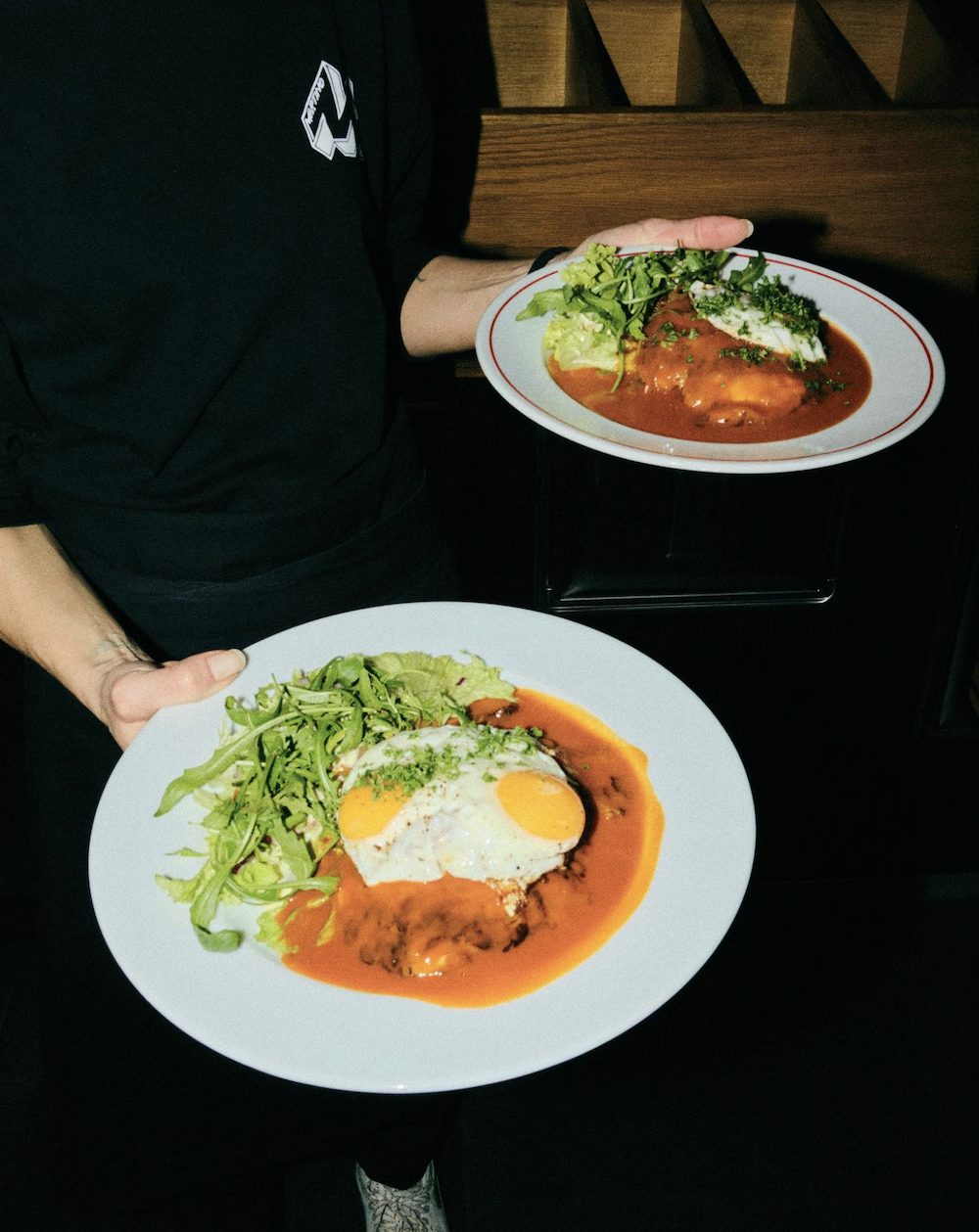
Cammalleri is less a lunch stop than a delicious little Italian expedition. Perched around a wine barrel, Fabio Cammalleri himself talks you through the day’s pasta before you inevitably end up taking focaccia, house-made charcuterie or a bottle of exceptional Franciacorta or even a rare biodynamic Champagne (think Selosse and Cedric Bouchard) home. Having learnt his craft from Roman pizza legend Gabriele Bonci, Cammalleri knows his way around dough, but his pasta deserves equal attention: think tagliolini with ragù, gnocchi with salsiccia, ’nduja and salted ricotta, or ravioli cacio e pepe. And when he recommends his favourite dish – two fried eggs with anchovy, colatura and white truffle – don’t even think about refusing.
Little Red Rooster
At Little Red Rooster, bartenders Bart Capoen and Joeri D’heuvaert take their ingredients seriously – their drinks, on the other hand, are allowed to have a little fun. They work closely with local producers, make their own gin and dream up cocktails that range from Balegem jenever and house-pickled hazelnuts to an actual liquid cheesecake. When hunger strikes, there’s bar food: a vinegar-pickled egg with tarragon mayo and toasted pumpkin seeds, or seriously oversized American sandwiches, grilled to order until 1am. Unless you prefer liquid dinner, of course.
Mi Garba.
Mi Garba may be tiny, but this little Florentine hideaway opposite Ghent’s city hall packs serious Italian soul. Anastasia Passerotti makes her schiacciata from scratch in the cellar, giving the dough a leisurely 36 hours to rise – long enough for you to need a negroni before attempting to pronounce her signature flatbread correctly.
Chubby Cheeks
What started as a wine bar has grown into a full-blown, chef-led kitchen with plenty of creative swagger. Chubby Cheeks is an intimate Ghent hotspot that won me over from my very first visit – and this is one kitchen I wish more people knew about. Think beef tartare with Turkish bread, langoustines swimming in beurre blanc and a team whose enthusiasm is every bit as memorable as the food. The setting may be modest, but chef Younes Hammouche’s cooking leaves a seriously lasting impression.
Abooov Adanaci
Adanaci is the kind of Turkish place where dinner comes with a night shift: even at 3am, you can still pull up a chair for a serious plate of wood charcoal-grilled lamb and plenty of extra chilli. This Sleepstraat gem draws both neighbourhood regulars and hungry chefs looking for something tasty and real after service.
Frituur Botermarkt
For more than 25 years, Hendrik De Jonghe and his wife Ann Van Braeckel have been manning the fryers – at least, when they’re not chasing the peloton. Their love of cycling is proudly displayed on the walls, from Philippe Gilbert’s world champion jersey to an actual racing bike. But the real trophy is on the plate: crisp, golden fries that can happily take centre stage, served with homemade tartare sauce and Hendrik’s vol-au-vent. My favourite fritkot, where I’ve come to celebrate surviving work stress, heartbreak and the birth of our daughter.
Any hidden gems or new openings you would like to highlight in Ghent?
I’m cautious with the term “hidden gem”, since influencers have a habit of discovering these “secret” restaurants that everyone already knows about.
Announced for 2027:
- Sam D’Huyvetter and Nina De Cuyper from Bar Bask and Taberna Bask are opening a bakery-meets-salumeria, while also revamping the 600-square-metre Brasserie Pakhuis, with its iconic seafood counter.
- Gillis, broadly considered the best steakhouse in the Benelux, is moving to a new location. We haven’t tasted the best - or final - cut yet.
Which food cities around the world inspire you the most, and which are your favourite restaurants there?
Athens and the Greek islands
Crete was my first trip outside Belgium with my parents, and it’s fascinating to see what has happened there since. A new generation of chefs, designers, artists and entrepreneurs is breathing fresh life into centuries-old traditions.
One of my Cretan coups de cœur is Ntounias Eatery, better known as Dounias, in the mountain village of Drakona, at the foot of the White Mountains. Since 2004, chef Stelios Trilyrakis has been cooking without electricity, using an open fire and traditional recipes passed down from his grandmother. Much of the produce comes from his own farm and gardens, while wild herbs are gathered in the surrounding mountains.
Athens has been going through an exciting transformation of its own. Wine restaurant Pharaoh was a game-changer for me, particularly for the world-class chefs it has brought in for collaborations.
Paris
The culture practically dripping from the walls. The affordable lunch menus and packed restaurants. Seeing Bruno Verjus whizzing around on a scooter. A tête-à-tête at Plénitude from Arnaud Donckele. I simply can’t get enough of it.
Istanbul
This city spanning two continents is endlessly intriguing. Grab a local and follow his or her kebab trail, but make sure to include Dönerci Engin, Köfteci Yasar and Pak Pide. End the night with Bosphorian negronis at Foxy’s or book a dinner at the upscale Neolokal – with the largest Turkish wine cellar imaginable.
The Balearics
Especially any fish shack in Formentera where I can order paella o arroz caldoso con langosta.
And since there is no place like home, I have to mention our legendary Belgian food capitals and their iconic destinations: Brussels for Bozar, Antwerp for The Jane, and Ostend for Restaurant Willem Hiele. It is beautiful to see how chef Hiele is influencing the younger dining scene. Several of his former sous-chefs have since opened successful restaurants of their own, including De Drie Ridders, Bloesem and Marquize. Shannah Zeebroek – Willem’s first wife – has also revamped the iconic Art Deco hotel and brasserie Du Parc in Ostend.
And since I’ve lived two years in Amsterdam, I keep going back there. I’m in love with the intimate restaurant 212, as well as Bistro de La Mer from the same chef, Richard van Oostenbrugge. When in town I desperately need a buttermilk aperitivo with bitterballen at the iconic Van Dobben. And when I feel like heading north, I take the ferry to Scheepskameel, for its all-German wine list – especially since I’m a Riesling lover.
My favourite restaurant will never be judged solely on what’s on the plate. At its best, a restaurant feels like a moment of stolen happiness, created by what we call les marchands de bonheur: those in the kitchen and dining room who intuitively respond to your mood, preferences and desires, elevating the experience, inspiring you or even challenging you.
Is there a must-try dish in your region – if so, where would you have it?
Belgium is famous for its waffles, beer and chocolate, but I’d rather have ox tongue - or any kind of offal - in Madeira sauce, served with triple-cooked fries and mustard-based mayonnaise, just as my grandmother used to make it.
Sadly, she passed away ten years ago, so I suggest looking for a true Belgian brasserie anywhere in our beautiful country. My all-time favourite: the ox tongue at ’t Fornuis, where Johan Segers – man, legend and culinary institution – holds on to his style, class and Michelin star for more than 40 years.
Is there an up-and-coming chef in your area whom you think is doing great things?
Julius Persoone is a young Belgian chocolatier pushing the boundaries of chocolate, from caramelised shrimp-head pralines to chocolates designed to support cancer patients’ sense of taste. At just 27, he combines culinary creativity with scientific research and a growing commitment to social impact.
Is there a food expert or curator whose restaurant recommendations you would particularly want to hear?
Peter Goossens, who else? After 16 years on The World’s 50 Best Restaurants list with Hof van Cleve, retirement finally gives him more time than ever to travel.

.jpg)

